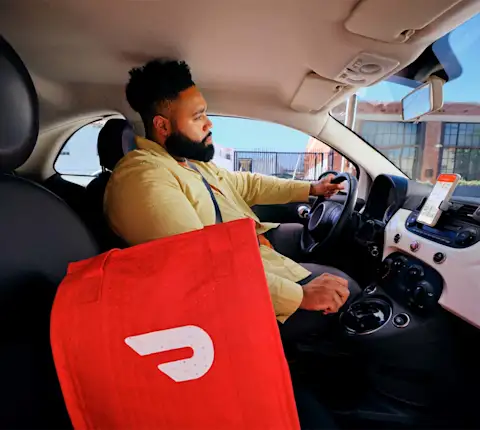
Most people think of their car as an expense. But for millions of people in the U.S., that same car is a source of extra income, whether part-time or full-time.
The gig economy is one of the more accessible ways to get started. You don’t need a resume or an interview. Just a car, a license, and some time.
Not all car-based gigs work the same way. Some require you to be on the road constantly; others don't require you to drive at all. Here's what each looks like in practice.
Best Ways to Make Money With Your Car
What works depends on your vehicle, your hours, and how much you want to interact with people. Whether you're looking for apps to make money with your car or a reliable side hustle, here's what each gig looks like in practice.
1. Rideshare Driving
Rideshare is one of the most popular side hustles with your car, connecting with passengers through an app and earning through base fares plus time and distance.
Requirements often include additional criteria: typically a 2010 or newer vehicle, a rideshare insurance endorsement, a background check, and 21+. A clean driving record is also required.
Demand varies by city. Drivers in suburban markets typically see slower activity than those in dense urban areas.
2. Grocery Delivery
You shop for orders through an app and deliver them to customers' homes. On DoorDash, this is called Shop & Deliver. It's more hands-on than other delivery gigs, you're in and out of stores navigating different layouts.
Requirements include: 18+, a valid license, standard car insurance, and a reliable vehicle. Mornings and daytime are the busiest. Grocery delivery orders often involve larger baskets and may provide different earning opportunities than restaurant delivery.
It pairs well with food delivery. You can switch between the two depending on demand.
3. Rent Out Your Car
This is the only option here where you don't drive. Gig car sharing and gig car rental platforms like Turo, Getaround, and HyreCar let you list your vehicle when you're not using it. Renters book through the app, and you collect a payout when the trip ends. Platforms focused on gig drivers tend to generate more consistent bookings.
You'll typically need a 2010 or newer vehicle under 130,000 miles. Verify your insurance covers peer-to-peer rentals; most standard policies don't. If you have a lender, check your financing agreement, as some prohibit commercial use.
It's hands-off, but trade-offs are real: mileage, wear, and renters who may not treat your car well. Best for people with a second vehicle or one they rarely use.
Note: some platforms might check your credit during host approval.
4. Food Delivery
Food delivery can offer a lower barrier to entry than some driving gigs: no block scheduling and no advance commitments. You generally choose when, where, and whether to accept restaurant delivery opportunities rather than being assigned a work schedule.
To dash with DoorDash, you need to be at least 18 years old (19 in some states), have a valid driver’s license (note: bike and e-bike Dashers may have different requirements depending on market), a Social Security number, and pass a background check through Checkr. No vehicle year restrictions, and no special equipment is required to start for most order types.
Focusing on peak windows (often lunch 11am to 2pm, dinner 4:30 to 8pm) can keep you busier than dashing at random times, though activity varies by market.
Before You Pick Up Your First Order
Driving gigs* are quick to set up, but a few things are worth sorting out before you sign up.
Your vehicle matters more than you think
Before you sign up for any gig platform, check whether your vehicle actually qualifies. Requirements vary more than most people expect, and finding out after the fact can delay or block your approval.
Requirements vary by platform, but most ask for a valid license, insurance, and a vehicle that meets their year or condition standards. Passenger-facing gigs often require newer vehicles (often 2010+). A pickup or SUV opens up more delivery categories.
For DoorDash, vehicle requirements are the same whether you're doing Restaurant Delivery or Shop & Deliver, no year restrictions, and you can use a car, scooter, bike, or e-bike depending on your market. What matters is that your vehicle is legally registered, insured, and in safe working condition.
Personal car insurance doesn't cover commercial work
To deliver with DoorDash, you need valid personal auto insurance that meets your state's minimum requirements. But that may not be enough to protect yourself and your vehicle.
Many personal auto policies are designed for personal driving only. If your insurer considers delivery work "business use," they may deny your collision or comprehensive claim. This is the most common insurance gap gig workers face, and it's usually discovered only after an accident has already happened.
To protect your vehicle while dashing, consider adding a delivery or business-use endorsement to your existing policy. Learn more about insurance for Dashers.
Understand how taxes work as a gig driver
Many driving platforms, including DoorDash in most U.S. markets, engage workers as independent contractors, though worker classification varies by platform and jurisdiction. Be sure to review the terms for any platform you choose.
Insurance requirements and available coverages vary by insurer, state, and delivery activity. Mileage tracking can be relevant for tax purposes, so you can consider using a mileage tracking app from day one. For more, see the IRS' guide on standard mileage rates.**
Keep running costs in mind
Every mile adds wear, depreciation, and fuel costs. The gig that looks best on paper isn't always the one that feels best in practice.
Before committing to a platform, track your actual earnings net of expenses for a few weeks, not just your gross payout. Knowing your real hourly rate helps you decide which gigs are worth your time and which ones to skip.
Almost every platform runs a background check
Background checks are standard. Processing timelines vary by platform and applicant. Most platforms have cutoffs for violations in the past three to seven years.
Ready when you are.
You don't need experience, a new car, or a fixed schedule.
Pick the gig that fits your situation and put in a few hours this week. You can always switch or add a second platform later.
If food delivery is where you want to start, DoorDash is a practical choice. Requirements are low: 18+, any insured vehicle, and you keep 100% of your tips on every completed delivery, plus you’re eligible for Peak Pay and Challenges during busy windows.
Frequently Asked Questions
What's the easiest driving gig to start?
Food delivery is often one of the easiest driving gigs to start. DoorDash, for example, requires only that you be at least 18 years old (19 in some states), have a valid driver's license, a Social Security number, and pass a background check through Checkr.
There are no vehicle year restrictions and no special endorsements needed. Approval and onboarding timelines vary based on factors such as background-check processing and eligibility requirements.
Do I need special insurance to drive for a delivery app?
To work for a delivery app, you're required to carry your state's minimum personal auto insurance, but most personal policies don't cover commercial use.
DoorDash provides certain liability coverage during active deliveries, subject to the terms and conditions of its applicable insurance policies. To avoid gaps in coverage, many Dashers add a delivery endorsement to their existing policy. Learn more about insurance coverage.
How do I choose the right gig for me?
To choose the right gig, think about your schedule, your vehicle, and how you like to work. Food delivery like DoorDash offers great flexibility: no set hours, no minimum commitment, works with many vehicle types, depending on market.
Shop & Deliver suits drivers who prefer a more structured task. Rideshare tends to pay more per trip but requires a newer vehicle and comfort with passengers. Most drivers start with food delivery and branch out from there once they know their market.
Can I run multiple gigs at the same time?
Many drivers run multiple food delivery apps simultaneously and switch between whichever has active offers. It's a common practice called multi-apping. Rideshare is the exception: you can only have one rideshare app active while a passenger is in your car.
* Eligibility requirements, worker classification, insurance obligations, and earning opportunities vary by platform, location, and applicable law. Always review the current terms and requirements for the platform you choose.
** Many gig platforms issue tax reporting forms to independent contractors when applicable. Tax obligations depend on your worker classification and individual circumstances, so consult IRS guidance or a qualified tax professional if you have questions.